

large framed bathroom mirror
In the world of fluid dynamics and systems engineering, the role of valves is paramount. Among the various types of valves used in industrial applications, the slow-closing check valve stands out as a critical component for enhancing system efficiency and safeguarding equipment. In this article, we will delve into the function, benefits, and applications of slow-closing check valves, providing a comprehensive understanding of their importance in various fluid systems. What is a Slow Closing Check Valve? A slow closing check valve is a mechanical device designed to prevent backflow in a piping system while allowing fluid to flow in one direction. Unlike traditional check valves, which may slam shut abruptly, slow closing check valves feature a mechanism that enables them to close gradually. This controlled closure is vital for reducing water hammer effects and preventing sudden pressure surges within the system, thereby increasing the longevity of the piping infrastructure and associated equipment. Benefits of Slow Closing Check Valves 1. Reduced Water Hammer: One of the significant advantages of using a slow closing check valve is its ability to mitigate water hammer. When a valve closes too quickly, it can create a shockwave in the fluid system, resulting in banging or vibrations that can damage pipes and joints. The gradual closure mechanism of slow closing check valves minimizes this issue, leading to a more stable operation. 2. Enhanced System Efficiency: Slow closing check valves help maintain the flow rate and pressure within a system by preventing backflow without causing disruptions. This ensures optimal performance of pumps and other equipment, leading to energy savings and reduced operational costs. 3. Extended Equipment Life: By minimizing the risks of hydraulic shocks, slow closing check valves contribute to a longer lifespan for pumps, compressors, and other apparatus in the system. The reduced mechanical stress translates to fewer maintenance requirements and downtime, further enhancing operational efficiency. Applications of Slow Closing Check Valves Slow closing check valves are versatile components used across various industries, including: - Water Distribution Systems: In municipal water supply and wastewater management systems, these valves prevent backflow and protect water quality by ensuring contaminants do not enter the clean water supply. - Industrial Processes: In manufacturing and processing facilities, slow closing check valves help maintain consistent flow rates, prevent backflow, and protect equipment from damage due to fluctuating pressures. - HVAC Systems: In heating, ventilation, and air conditioning systems, slow closing check valves are crucial for ensuring that chilled or heated water flows in the intended direction, aiding in efficient temperature control. In conclusion, the slow closing check valve is an essential asset in any fluid management system. Its ability to prevent backflow while minimizing hydraulic shocks makes it an optimal choice for various applications. By investing in high-quality slow closing check valves, industries can enhance system efficiency, reduce maintenance costs, and extend the life of critical equipment. Understanding the importance of these valves is crucial for professionals and engineers involved in designing and maintaining fluid systems. For those looking to optimize their fluid systems, consider the advantages of incorporating slow closing check valves into your infrastructure. By doing so, you will not only improve your system's performance but also ensure a more reliable and durable pipeline operation.
about
large framed bathroom mirror
The knife gate valve is a crucial component engineered for handling challenging industrial applications, particularly where the flow of slurry, viscous media, or solids is prevalent. These valves, designed with a sharp-edged gate, have a reputation for handling the harshest conditions and offering reliable performance. As an expert in the field with hands-on experience, one can appreciate their utility in industries such as mining, wastewater treatment, and pulp & paper. A significant advantage of knife gate valves is their ability to cut through difficult media. Unlike traditional valves, the design of the knife gate ensures that thick fluids and suspensions, often laden with solid particles, are sealed effectively and efficiently. This is achieved by the blade that slices through the media, preventing clogging and ensuring minimal downtime in operations. For this reason, industries that require the handling of thick sludge or slurry predominantly opt for knife gate valves over other types. The construction materials for knife gate valves often consist of stainless steel due to its anti-corrosive properties and robust nature, which is vital in harsh environments. The selection of high-quality materials extends the lifespan of these valves and reduces maintenance costs. Engineers and procurement specialists must consider factors like temperature, pressure, and media characteristics when selecting the appropriate valve to ensure compatibility and long-term functionality. Professional expertise in knife gate valves involves understanding the nuances of installation and maintenance. Installation requires precision to ensure the valve aligns correctly, preventing leakage and ensuring efficient operation. Advanced training in industrial settings often emphasizes the proper installation techniques and regular inspection schedules to ensure the longevity and efficiency of the valves. Authority in the sector is demonstrated through the deployment of knife gate valves in critical infrastructure projects where reliability is non-negotiable. For example, in wastewater treatment plants, where solid-laden fluids are consistently processed, the choice of equipment can directly impact environmental compliance and operational efficiency. Therefore, manufacturers who possess a track record of successful deployments and innovative designs, teamed with industrial certifications, often stand out as leaders in the field. 2 knife gate valve Trustworthiness in knife gate valves is another pillar that cannot be overlooked . Quality assurance and rigorous testing processes form the backbone of a trusted manufacturer’s reputation. Clients often seek testimonials and case studies showcasing the valves' performance in similar environments and conditions. Providing this transparency builds confidence and fosters long-term relationships with clients. In challenging environments such as mining operations, where ore slurry must be transported, knife gate valves' resilience again proves crucial. These valves are designed to withstand abrasive and corrosive flows, which are common in mining processes. Industry professionals value feedback from peers and longitudinal data indicating durability and performance efficiency under high-stress conditions, which also helps in predicting long-term expenditure and operational costs. The convergence of efficiency, reliability, and adaptability makes knife gate valves indispensable. Their role extends beyond mere flow control; they ensure safety, bolster productivity, and enable industries to achieve sustainable operations. Nevertheless, it's imperative that users are educated on selecting the suitable valve type for their specific application. Understanding the precise media, operational pressures, and environmental conditions is crucial, and consulting with seasoned industry professionals can help bridge the knowledge gap. Furthermore, with modern technological advancements, smart knife gate valve technology is emerging, integrating sensors and IoT capabilities for real-time monitoring and remote control. These cutting-edge features are redefining industrial standards, offering significant competitive advantages and operational cost savings through predictive maintenance and enhanced resource management. In conclusion, knife gate valves remain a quintessential choice for industries grappling with complex flow challenges. Their design efficiency, built from years of technological refinement and field-testing, coupled with expert guidance in their application and maintenance, assures industries of both performance excellence and operational integrity. Moving forward, innovation in material engineering and digital integration will undoubtedly continue to elevate the capabilities and trustworthiness of these valves in increasingly innovative and eco-conscious industrial landscapes.
-

High quality industrial productsagement

High quality industrial products
View Details -

Meet the diverse needs of customers

Meet the diverse needs of customers
View Details -

Strict quality control

Strict quality control
View Details -

Top raw materials

Top raw materials
View Details -

Trusted supplier

Trusted supplier
View Details
Our application

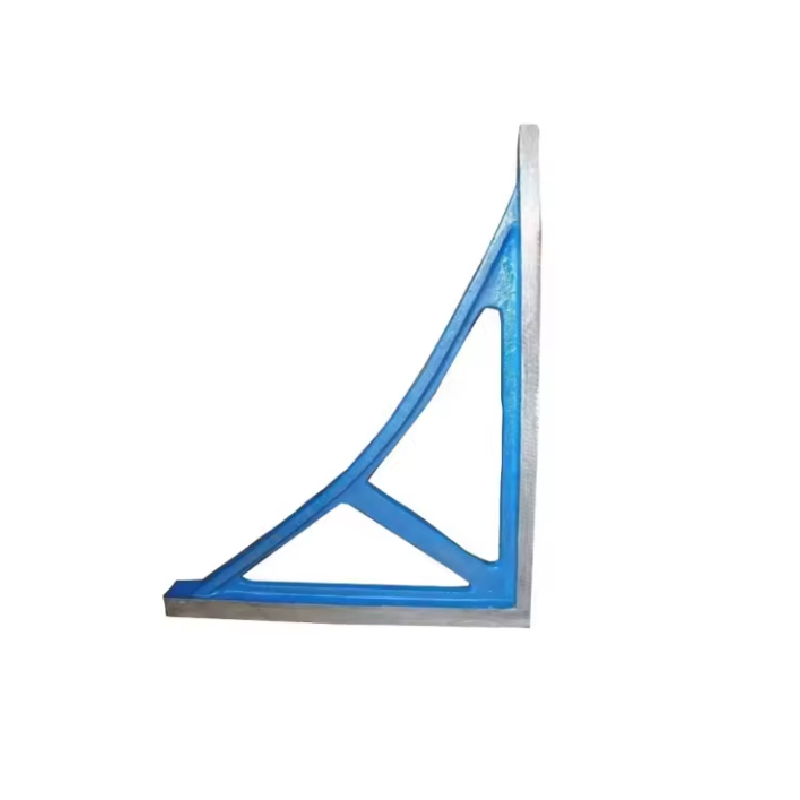
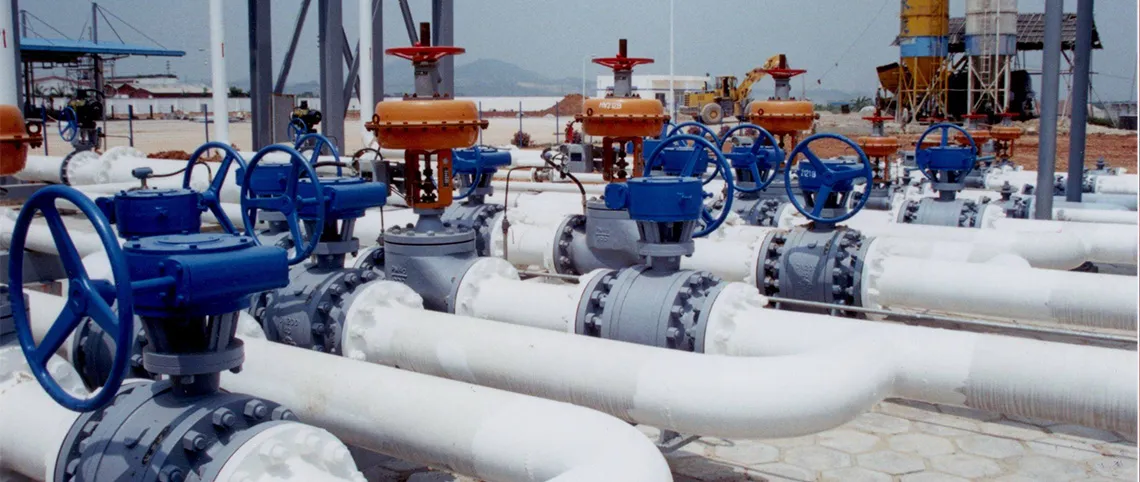

news and information
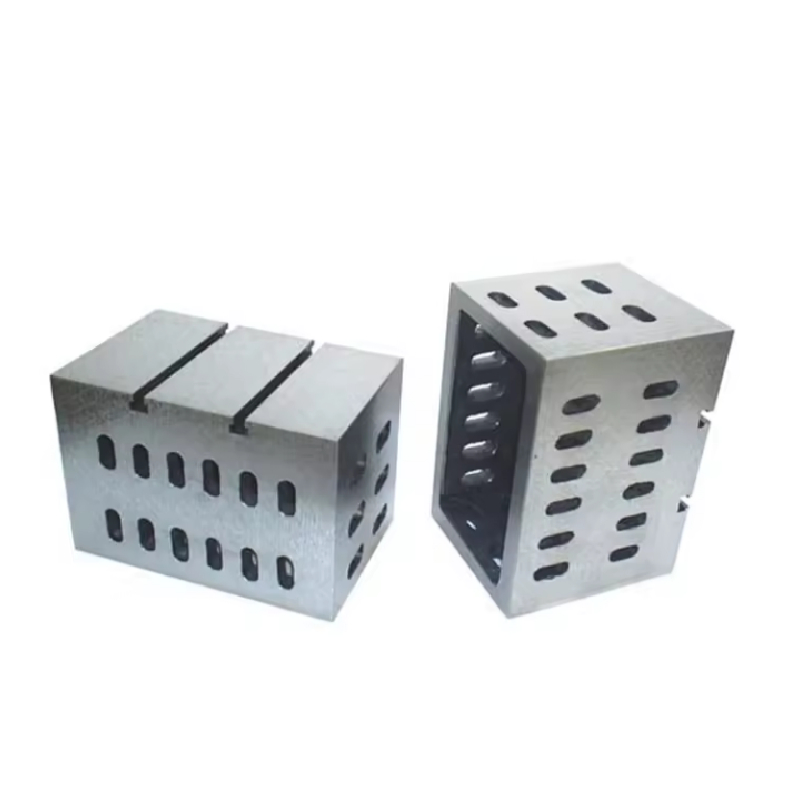
Welding Table Cast Iron Surface Finish Guide
As a wholesaler in the welding equipment industry, understanding the intricacies of welding table ca
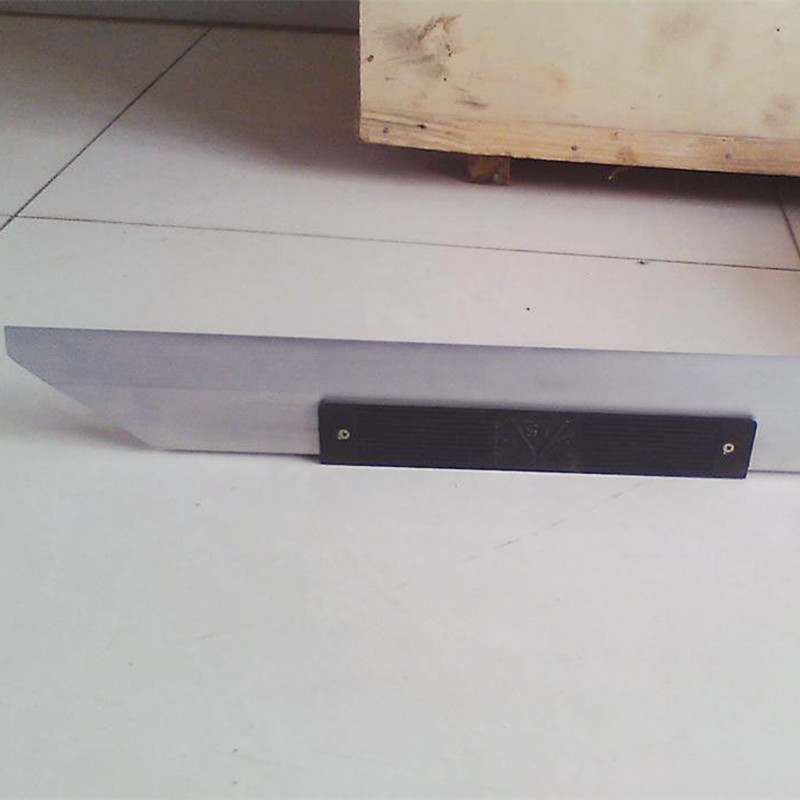
Using a Spirit Level for Accurate and Precise Measurements in Various Applications
Reading a Spirit Level A spirit level is an essential tool for anyone who wants to ensure that surfa

V Block Design - Innovative Modular Solutions for Modern Spaces
Understanding V-Block Design in Modern Engineering V-Block design is a pivotal concept in modern eng
 English